
Basements and Lower Levels
Even without a flood, basements can take on moisture through seepage, humid air, or small plumbing leaks. We pay special attention to rim joists, sill plates, and finished basement wall cavities.
Serving Waukesha, Wisconsin & surrounding areas
24/7 Emergency Response
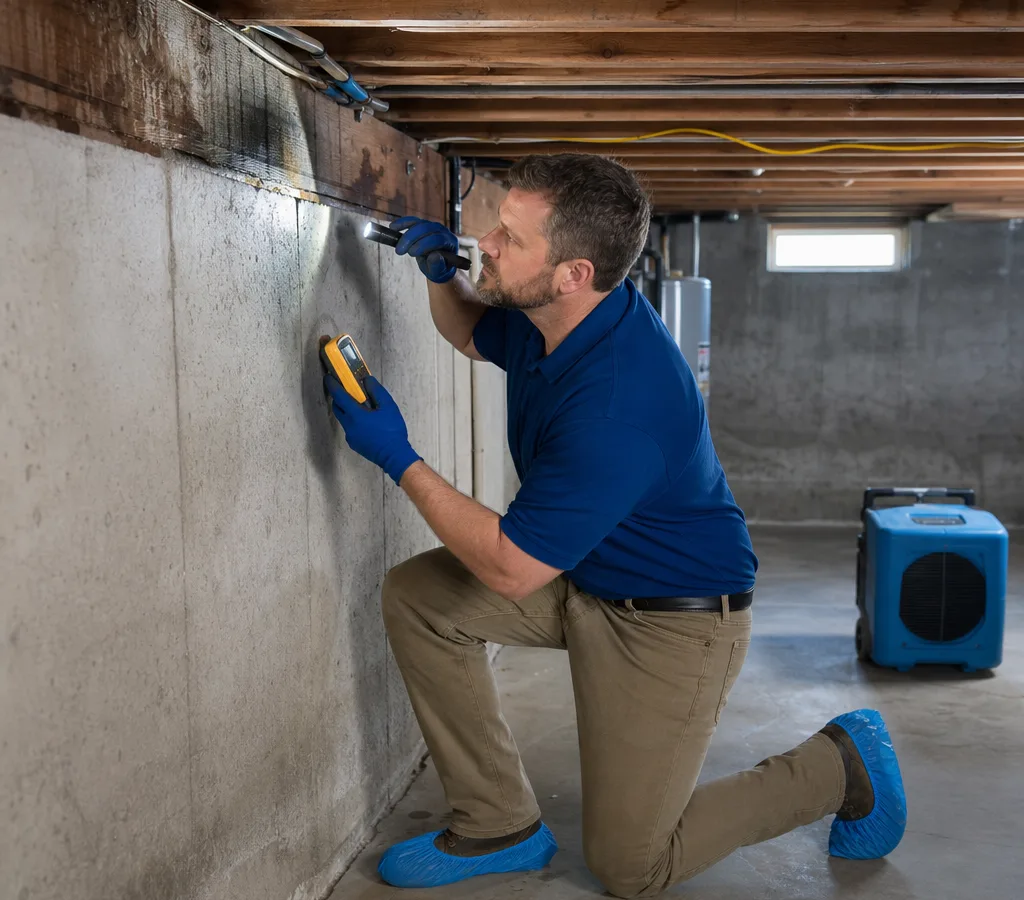
Mold inspection in Waukesha, WI
If you smell musty odors, see staining, or have had a recent leak, a professional inspection can confirm whether mold is present, where it's coming from, and what to do next.
✓ Skip the 3-hour Google rabbit hole — we’ve already done the vetting
✓ One conversation, not ten voicemails and seven web forms
✓ 24/7 emergency response — talk to a real person who knows Waukesha
A real person answers - 24/7 Emergency Response
Evidence before assumptions
A mold inspection in Waukesha, WI should do two things: verify what's happening now, and help you prevent it from coming back. That means a careful visual assessment, moisture diagnostics, and, when appropriate, sampling handled with a documented chain of custody.
Waukesha County buildings face wet basements after heavy rain, humid summer air, and winter condensation where warm indoor air meets cold surfaces. When moisture reaches drywall, insulation, carpet, or wood framing, mold can follow. Our inspectors focus on the building science behind the issue so you can make decisions based on evidence, not guesses.
Water Damage Waukesha performs residential and commercial mold inspections with straightforward scheduling, on-site findings explained in plain language, and a written report you can use for planning, property decisions, or documentation.
Methodical property assessment
A professional assessment is more than looking for visible spotting. We work through the building methodically and document what matters.
What you can expect during a mold inspection:
You receive a written report covering observed conditions, moisture findings, applicable sampling results, and practical next steps. When active moisture is present, the underlying wet materials should be addressed promptly.
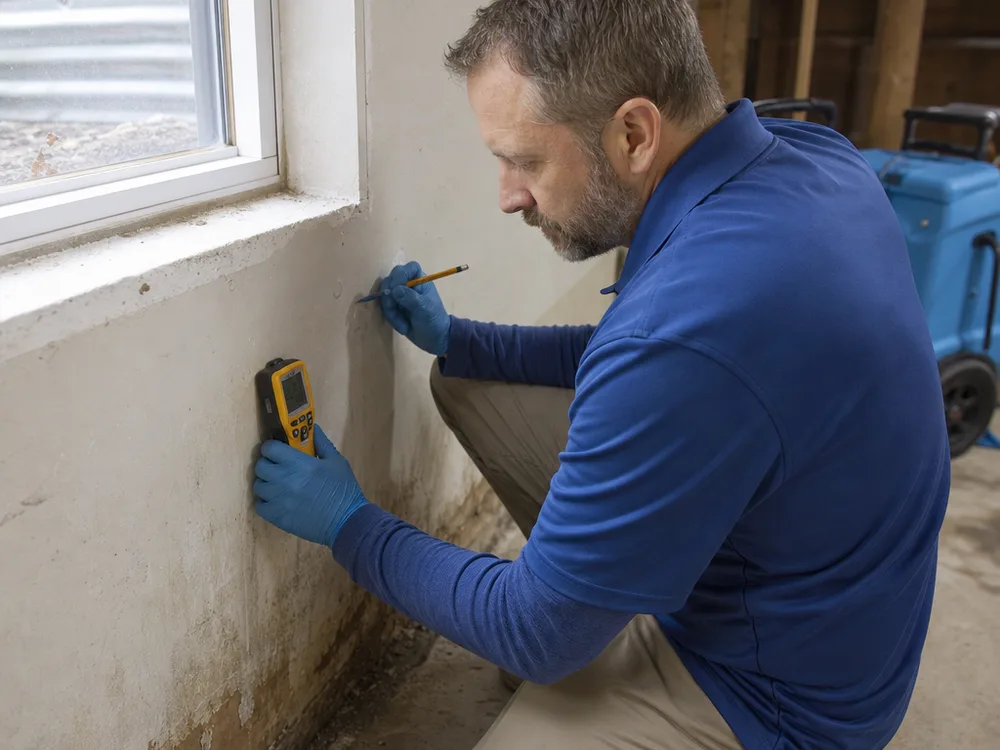
Local moisture pressures
Seasonal humidity, freeze-thaw weather, concealed plumbing, and changing ventilation conditions can all create damp materials without a dramatic flood.
📞 Waukesha • 24/7 ResponseEven without a flood, basements can take on moisture through seepage, humid air, or small plumbing leaks. We pay special attention to rim joists, sill plates, and finished basement wall cavities.
Humid summer air can condense on concrete walls and supply ducts. In winter, indoor humidity can collect on cold windows and exterior corners.
Slow leaks beneath sinks, around toilets, behind appliances, or at pipe penetrations can keep materials damp long enough for growth without standing water.
Ventilation or insulation gaps can create frost and condensation in cold weather, leading to staining and mold-like growth on roof sheathing and truss members.
Tighter buildings can retain moisture when ventilation does not keep up. We examine bath fans, dryer venting, and other paths that control indoor moisture.
From concern to clear guidance
Each step is designed to connect visible conditions and moisture readings with a practical plan for the property.
01
We ask where you have noticed odors, staining, or past leaks and whether anyone has sensitivity concerns. This helps establish the appropriate inspection scope and whether sampling may be useful.
02
We walk the property, focus on the areas you flagged, and check building components where mold often hides. Moisture readings guide where we investigate more closely.
03
When sampling will change the decision, we collect it carefully and send it to a qualified laboratory. If visible conditions already make the appropriate response clear, we explain that as well.
04
You receive a written summary of findings, likely causes, and recommendations. For property transactions, notes can be organized for straightforward sharing with an agent or contractor.
05
We explain the priorities: stopping moisture, isolating affected materials, and deciding whether professional remediation is appropriate based on the extent and location.
Scope confirmed before inspection
Most mold inspections in Waukesha typically range from about $250 to $650, depending on building size, how many areas need moisture mapping, and whether sampling is included. A basic visual inspection with moisture readings often falls at the lower end, while multi-area inspections with air or surface samples run higher.
Price is driven by square footage, attic or crawlspace accessibility, the number of rooms involved, and the documentation needed for a real estate decision. The exact cost is confirmed once we understand the property and the questions the inspection needs to answer.
Clear findings, practical decisions
“We had a musty smell in the basement and couldn't tell if it was old water stains or active mold. The inspector mapped moisture, explained what was normal for the space, and what wasn't, and the report made it easy to decide our next step.”
“Fast scheduling and very thorough. The photos and notes were specific enough that our contractor knew exactly which areas to open up and why.”
Know what to expect
Schedule an inspection for persistent musty odors, visible staining that returns after cleaning, recent water intrusion, or clarity before a property purchase. In Southeast Wisconsin, inspections are especially common after heavy rain and during winter condensation around windows and exterior walls.
No. Sampling is optional and should be used when it will change a decision. It may help with real estate documentation, indoor-to-outdoor air comparisons, or remediation planning. When suspect growth and its moisture source are already clear, laboratory results may not be necessary.
Most inspections take 60 to 120 minutes on site, depending on building size, affected areas, and whether attics or crawlspaces require evaluation. If samples are collected, laboratory turnaround varies by lab and sample type and is reviewed during scheduling.
Yes. Odor-only concerns are common in basements, HVAC return paths, and wall cavities after small leaks. Moisture readings, ventilation observations, and targeted investigation help narrow down likely locations and identify the least disruptive next step.
If possible, avoid running air purifiers or ozone-type devices immediately before the appointment because they can temporarily alter air conditions. Provide access beneath sinks, around the furnace, and to attic or crawlspace entries, and share any history of leaks, sump failures, roof repairs, or plumbing work.
Yes. We inspect offices, retail spaces, and light commercial buildings where moisture can hide above drop ceilings, near rooftop-unit penetrations, along exterior walls, or in storage areas. The scope can focus on operational impact, documentation needs, and practical next steps that limit disruption.
Document the condition before deciding
If you're seeing staining, smelling a musty odor, or need clear documentation before a real estate decision, we'll confirm what's happening and lay out the next steps in a written report.
Mold inspection in Waukesha
Tell us what you're noticing and where, and we'll recommend the right inspection scope, walk the property with you, and provide a clear report you can act on.